
Fethiye is far more than just a destination for sun-seekers and sailors—it is a vibrant, living sanctuary where nature takes center stage. Framed by turquoise waters, pine-clad mountains, and protected coastal ecosystems, this stunning corner of the Mediterranean is also home to an extraordinary diversity of birdlife and winged species. From graceful seabirds gliding over the coastline to rare migratory visitors tracing ancient routes across the skies, Fethiye offers a front-row seat to nature in constant motion. It’s not just a place to visit—it’s a place to witness life in flight, in all its wild, effortless beauty. For those who keep their binoculars ready, this region offers a rare glimpse into the diverse world of bird species living in Turkey. From the salt-tinged breeze drifting along the coastline to the quiet, pine-scented silence of the mountain peaks, every corner of Fethiye hums with the living rhythm of nature. Here, the air feels layered with contrasts—crisp sea spray below and warm forest resin above—while the landscape itself becomes a natural amphitheatre of birdsong, rustling leaves, and distant waves. It’s a place where nature doesn’t just surround you; it gently follows you, lingers with you, and speaks in a language of wind, water, and sound.
The remarkable diversity of birdlife in Fethiye is no accident of nature—it is the result of a rare and privileged geographical crossroads. Positioned along one of the most important migratory corridors between Europe and Africa, Fethiye acts as a vital natural “rest stop” in the sky. Twice a year, countless species trace ancient aerial highways across continents, pausing here to rest, refuel, and recover. This extraordinary meeting point of migration routes transforms the region into a living observatory of movement, where the sky itself becomes a story of endurance, instinct, and seasonal rhythm. This makes it a crucial part of the broader map of bird species in Turkey.
The region’s dramatic landscape—where high altitude forests drop sharply into lush wetlands and hidden bays—creates a "micro-habitat" system. This means that within a single day, a birdwatcher can see alpine raptors and coastal waders without traveling more than a few kilometers. It is this concentration of life that makes Fethiye a true bird paradise Fethiye residents and visitors cherish.
When you step into the wilder parts of Fethiye, the variety of bird species living in Turkey becomes immediately apparent. You don't need to be an expert to appreciate the flash of a Kingfisher's blue wing or the rhythmic drumming of a Woodpecker. The region hosts hundreds of species, some staying year-round as "residents," while others appear only for a fleeting season during their long global journeys.
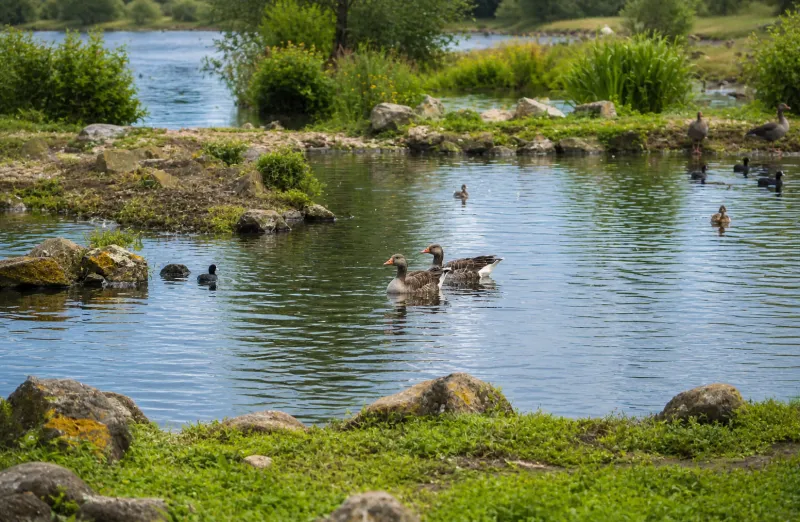
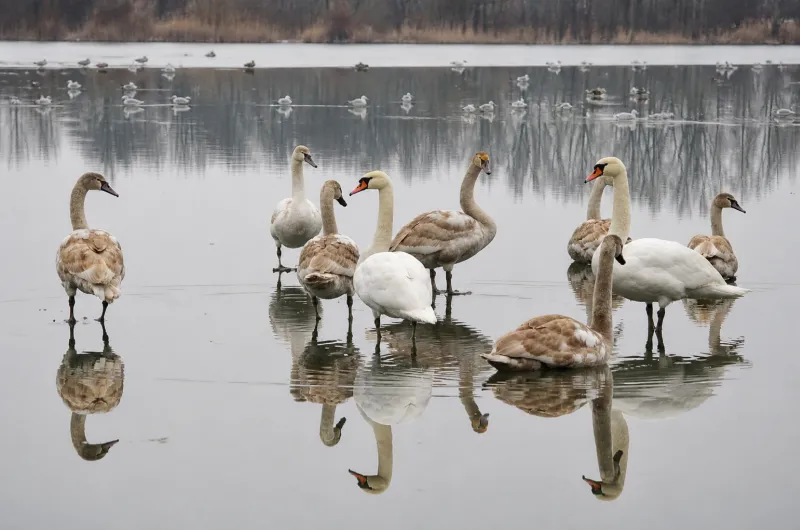
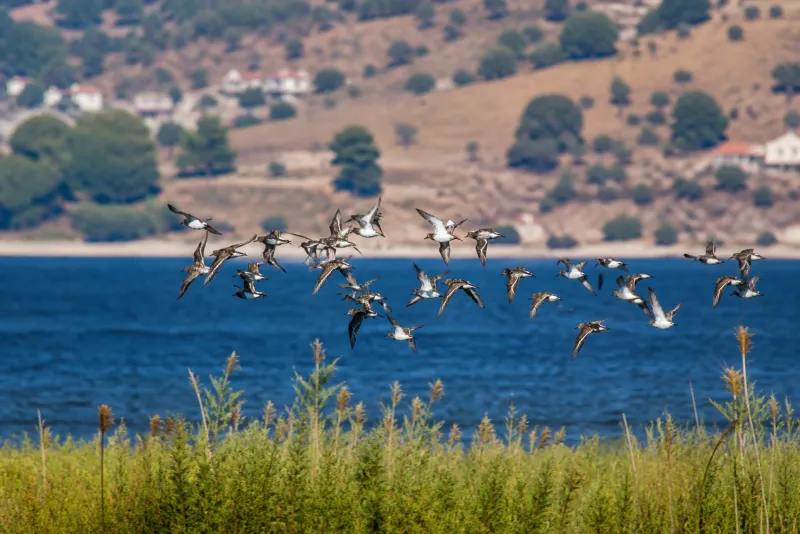
The wetlands around Çalış and the hidden lagoons of the peninsula are teeming with life. Here, the water-dependent bird species in Turkey take center stage. You are likely to spot:
Leaving the shoreline behind and following the rising scent of pine and ancient cedar into the hills of Fethiye, you begin to feel something subtle shift—the air itself seems to change its tone. The coastal hum fades, replaced by a quieter, more intimate soundscape: wind threading through needles, distant birdcalls echoing between trunks, and the soft crunch of earth underfoot. It’s as if the landscape lowers its voice the higher you climb, inviting you deeper into a world where silence isn’t empty, but alive with detail. The dense, emerald canopy of Fethiye’s mountains is a hidden stage for some of the most charismatic bird species living in Turkey. It is here that nature's soundtrack becomes truly complex.
If you keep your eyes peeled, you might catch the Eurasian Hoopoe—a bird that looks like it stepped out of a fairytale with its striking zebra-striped wings and that famous, regal crest of feathers. High above the jagged cliffs, the Short-toed Snake Eagle often steals the show, effortlessly riding the warm air currents as it hunts with incredible precision.
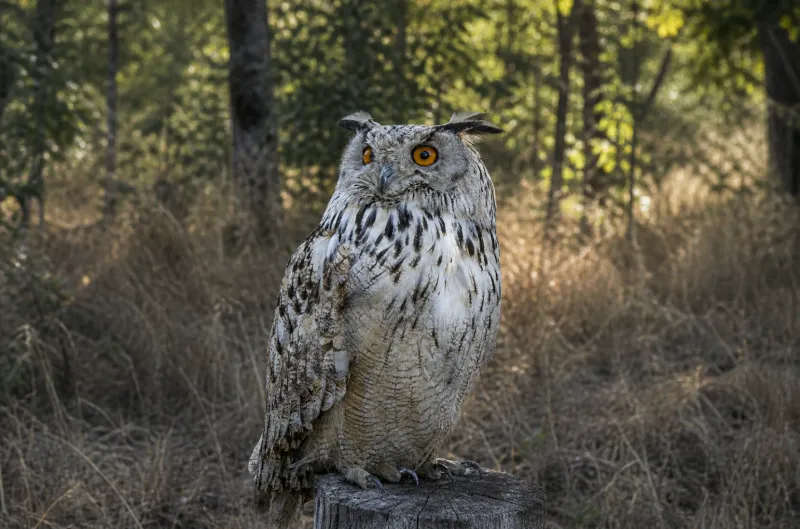
While birds are everywhere in Fethiye, certain "hotspots" act as a magnet for enthusiasts. The bird paradise of Fethiye is most famous for the Çalış Bird Sanctuary, a protected wetland where observation towers allow you to watch nesting behaviors without disturbing the peace.
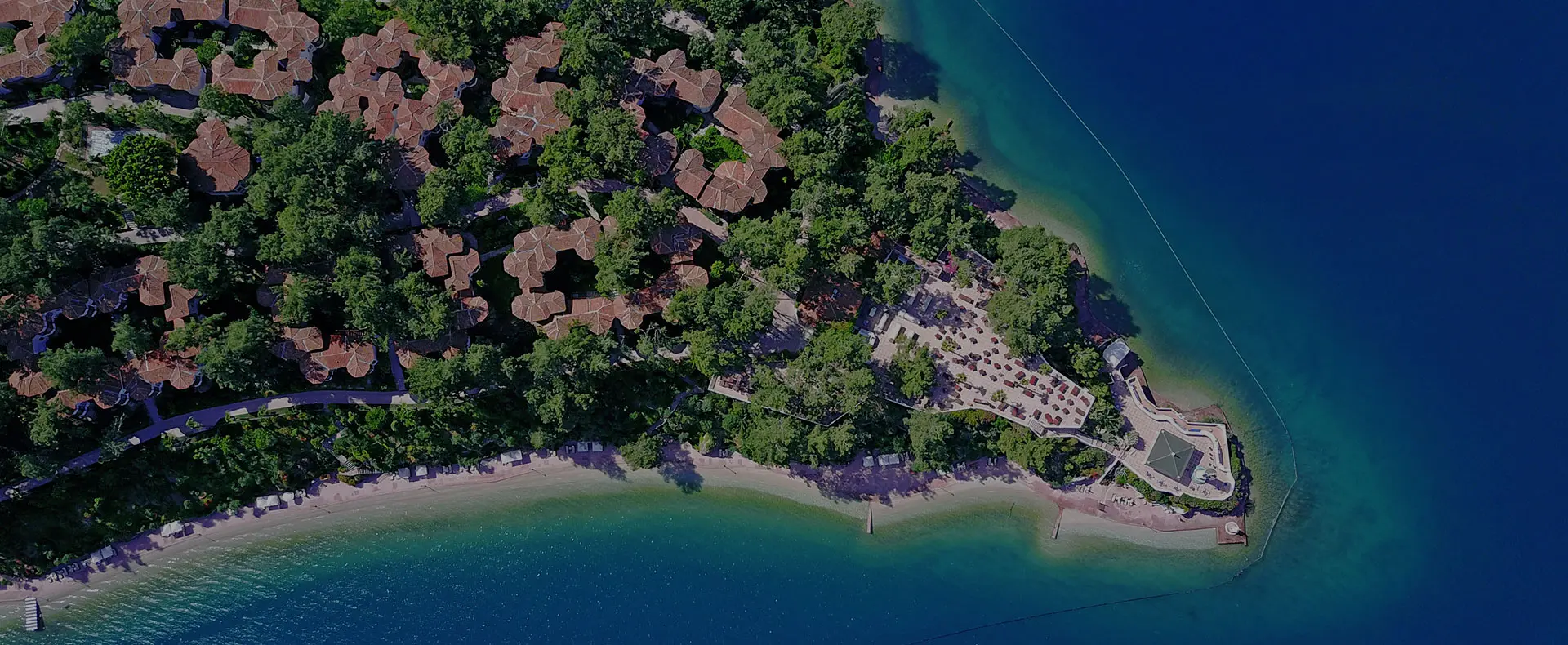
Beyond the sanctuary, the dramatic slopes of Babadağ Mountain open up a spectacular vantage point where raptors glide effortlessly on thermal currents, tracing silent arcs across the sky. Below, the surrounding peninsulas—including the one embraced by Club & Hotel Letoonia—create a rare sense of seclusion, where sea, forest, and shoreline blend into a protected natural stage. In this tranquil setting, birds move with remarkable confidence, drawn to the harmony of undisturbed habitats, allowing visitors an almost intimate connection with the rhythms of the wild. These areas are essential for maintaining the population of various bird species living in Turkey.
Timing is everything when it comes to birdwatching, and in Fethiye the seasons truly shape the spectacle. While the region remains breathtaking year-round, the most extraordinary moments unfold during spring (April to June) and autumn (September to November), when migration reaches its peak. These are the windows when the skies feel busiest, the wetlands most alive, and every horizon seems to carry movement. It’s during these periods that nature puts on its most dynamic performance—brief, brilliant, and utterly unforgettable. This is when the migratory traffic is at its highest, and you might spot rare bird species in Turkey that are only passing through.
As for the time of day, the saying “the early bird catches the worm” couldn’t be more true for observers in Fethiye. The first two hours after sunrise are when the landscape truly comes alive—birds are at their most active, filling the air with calls, movement, and the urgent rhythm of early-day foraging. Then, as the day softens, late afternoon emerges as another golden window. Just before dusk, the skies and treetops stir once again, as birds return to their roosts in graceful waves, bringing the day to a close in a final, breathtaking performance of motion and sound.
To ensure that Fethiye remains a bird paradise Fethiye for future generations, mindful observation is key:
Club Hotel Letoonia isn't just a place to stay; it is a 165,000-square-meter botanical garden that doubles as a sanctuary. Because the resort is located on a private peninsula with over 30 years of mature landscaping and thousands of trees, it has become a preferred home for many bird species in Turkey.
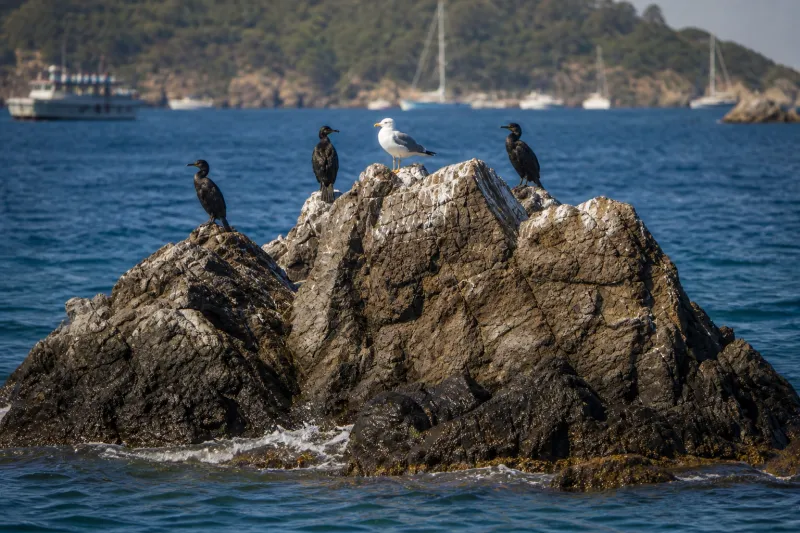
Guests often wake to the gentle chorus of songbirds rather than the noise of the city, easing into the day with nature as their alarm clock. Across the grounds of Club & Hotel Letoonia, vibrant hoopoes can be seen strutting across the lawns like living jewels, while gulls and cormorants patrol the resort’s three private bays with effortless grace. The result is something truly rare—a living microcosm of the region’s natural beauty, where wild birdlife and refined luxury coexist seamlessly. It’s an experience that brings you remarkably close to nature, offering quiet, unhurried moments of observation in a setting defined by comfort, calm, and coastal elegance.
If your heart beats for the outdoors, don't settle for a concrete resort. Among all Fethiye hotels, Club Hotel Letoonia stands out as a destination where the architecture respects the land. Here, your day unfolds effortlessly between comfort and wilderness. In the morning, you can watch birds drift and dart across the landscape from your bungalow balcony, coffee in hand, as the world slowly wakes around you. By afternoon, you’re slipping into the same shimmering Aegean waters where kingfishers hunt—diving, surfacing, and slicing through the light with impossible precision. It’s a rare kind of luxury where nature isn’t something you visit, but something you live inside, moment by moment.
A holiday here is an invitation to reconnect with the earth in its purest form. By choosing a destination that prioritizes lush green spaces and environmental harmony, you step into a world where nature is not a backdrop, but the main experience. Every moment feels lighter, calmer, and more grounded—creating a vacation that soothes the soul while still dazzling the senses, leaving you refreshed, inspired, and quietly transformed.