

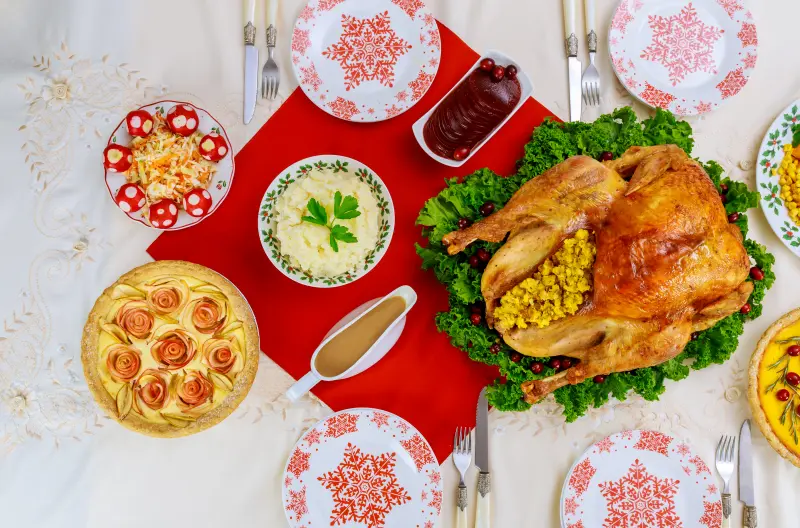
No New Year’s or Christmas feast is complete without a show-stopping centerpiece, and for many, the turkey takes that coveted spot. Yet, the thought of preparing such a large bird can bring one familiar worry: dry, overcooked meat. This guide is your go-to resource, packed with tips and techniques to ensure your festive turkey turns out juicy, flavorful, and absolutely memorable—delighting family and friends alike. We’ll move beyond that fear, offering proven techniques and a variety of delicious turkey recipe ideas that guarantee a perfectly moist and flavorful result every time. Whether you’re hosting a grand celebration or enjoying a more intimate gathering, we have the perfect ideas to help you kick off the New Year in style.
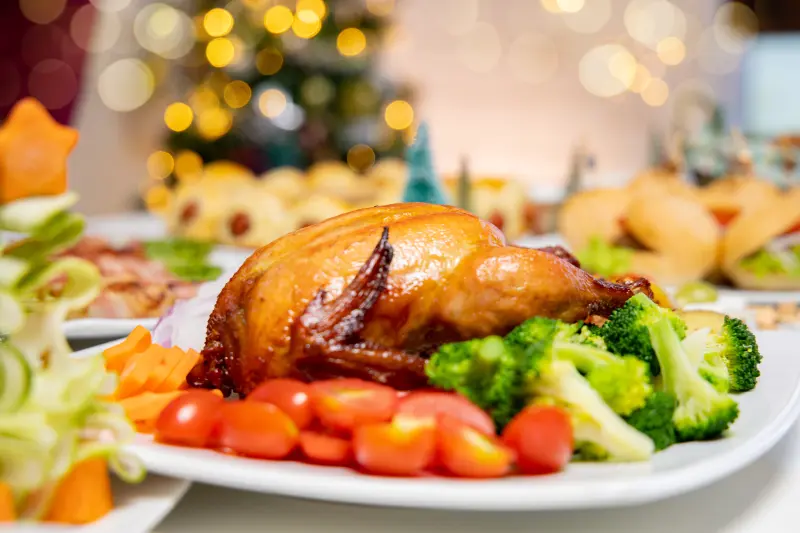
Perfectly prepared turkey meat is a matter of technique, not luck. The goal is to cook the tougher leg and thigh meat to a high enough temperature to break down collagen (around 180°F or 82°C) without overcooking the delicate breast (which should reach 165°F or 74°C).
The secret to a perfectly juicy turkey lies in moisture retention. Brining—whether wet, by soaking the bird in a salted solution, or dry, by rubbing salt and spices directly onto the skin—is the most effective method to achieve a succulent result. This process works by transforming the muscle fibers, helping the meat lock in moisture even under the high heat of the oven. Always use a high-quality roast turkey recipe that incorporates brining for the best flavor and texture.
The final flavor and texture of your dinner start long before the oven is preheated. Selecting the right bird is crucial for a successful turkey recipe.
Turkey meat often ends up dry because the different parts of the bird have very different cooking needs. The lean breast meat, or white meat, cooks quickly and is prone to drying out if overexposed to heat, while the darker legs and thighs contain more fat and connective tissue, allowing them to remain moist even with longer cooking times. Understanding this balance is key to achieving a perfectly juicy turkey, as it helps you tailor cooking techniques to preserve flavor and tenderness across the entire bird. The breast reaches its ideal temperature of 165°F (74°C) much faster than the legs. This difference inevitably leads to the breast becoming overcooked.
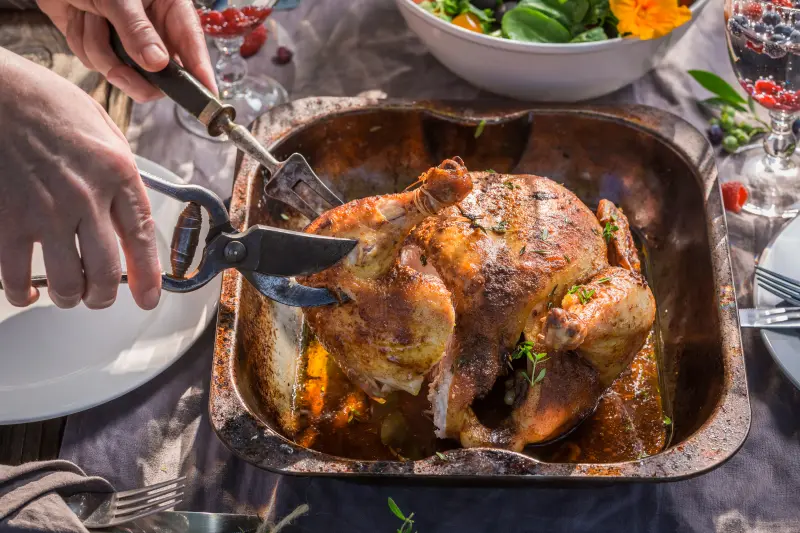
This is the timeless choice, focusing on simple flavors and perfect execution. The definitive roast turkey recipe relies on high heat at the start to achieve a golden crust, followed by a lower, slower cook. Place aromatic vegetables and herbs—such as onions, carrots, celery, thyme, and rosemary—inside the turkey cavity, along with a few lemon halves if desired. As the bird cooks, these ingredients release steam and natural flavors, keeping the meat moist and imparting a subtle, irresistible aroma. While the turkey rests, use the pan drippings to create a rich and savory turkey gravy recipe—it's essential for topping the final meal!
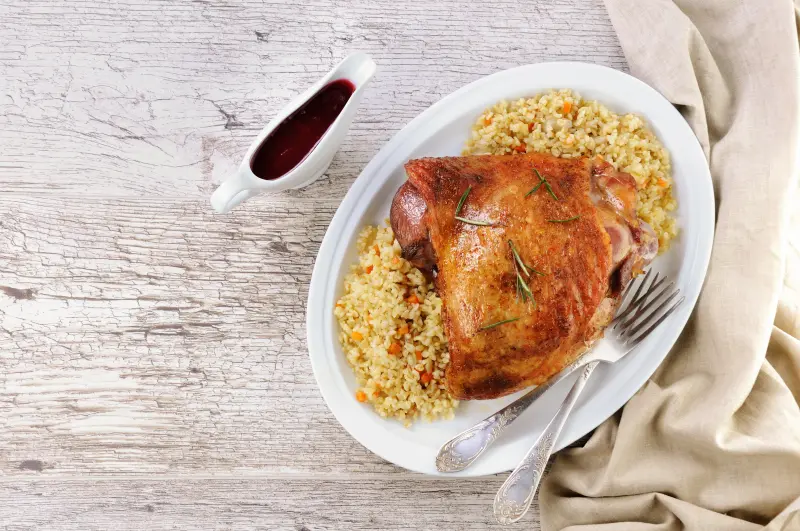
Stuffing the turkey—particularly with a moist mixture like rice pilaf with nuts and dried fruit—is a traditional way to enhance flavor. If you choose to fill the cavity, make sure the stuffing reaches a safe internal temperature of 165°F (74°C). Many modern cooks prefer to bake the stuffing separately, using only aromatics like onions and herbs inside the bird. This approach allows the turkey to cook more quickly and safely while still infusing it with delicious aromas.
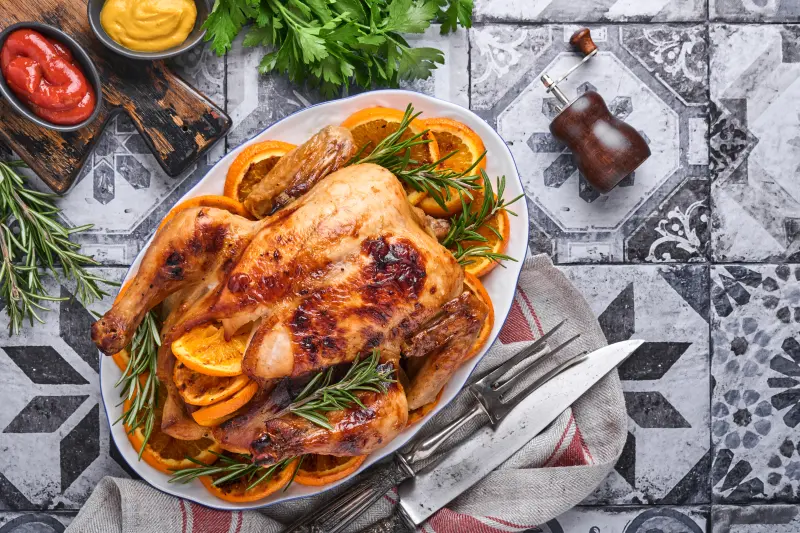
For a sweet and tangy finish, an orange glaze adds depth and a stunning caramelized appearance. Made from a blend of orange juice, zest, honey, and a hint of Dijon mustard, the glaze is brushed onto the turkey during the final 45 minutes of cooking. This technique not only elevates the flavor but also helps the skin crisp beautifully and develop a rich, golden color.
A popular choice, particularly for smaller roasts or a turkey crown recipe, where the glaze can penetrate more easily. The combination of sweet honey and sharp mustard creates a delicious crust and keeps the surface moist. This is an excellent alternative to the complex traditional Christmas turkey recipe.
For an exceptionally moist turkey, try braising instead of traditional roasting. This method involves partially submerging the bird in flavorful stock—chicken or vegetable—along with root vegetables like carrots, parsnips, and celery, all in a covered Dutch oven or deep roasting pan. As the turkey cooks, the steam gently tenderizes the meat, producing a succulent, fork-tender result that’s perfect for anyone concerned about dryness.
Not every celebration calls for a whole turkey. A spiced butter turkey leg offers a flavorful, easy-to-handle alternative. The dark meat of the legs and thighs is naturally juicy and forgiving. Simply rub them generously with a butter blend infused with paprika, cumin, and chili, then roast until the meat is tender and falling off the bone—a deliciously satisfying centerpiece for any gathering. This simple preparation is often a component used in subsequent leftover turkey recipes.
Incorporating a blend of dried cranberries, apricots, apples, and chestnuts into your stuffing adds a delightful festive sweetness that complements the turkey beautifully, creating a harmonious and flavorful centerpiece for your holiday table. This filling is particularly aromatic and complements a darker roast turkey recipe.
In today’s festive kitchens, offering generous and carefully crafted meat-free options is more important than ever. These hearty, flavorful alternatives serve as satisfying centerpieces, proving that plant-based dishes can be just as indulgent and memorable as traditional holiday fare.
This savory, crumbly loaf is crafted from a hearty blend of mashed chickpeas, lentils, nuts, and finely chopped root vegetables such as mushrooms and celery. Bound with flaxseed or breadcrumbs and generously seasoned with sage and thyme, it delivers an earthy, satisfying centerpiece that shines as a plant-based main course for any festive table.
This plant-based alternative often features specialty ingredients such as seitan (wheat gluten) or flavorful tofu blends designed to replicate the texture of poultry. Shaped into a festive loaf and sometimes wrapped in rice paper to mimic “skin,” it is roasted with a rich herb coating, creating an impressive and savory centerpiece for any holiday feast. The flavor is enhanced by specific seasonings that mimic poultry, making it an excellent base for a subsequent turkey curry recipe if leftovers remain. Furthermore, using ground meat substitutes from this meal is a great route for turkey mince recipes.
The stress of hosting and cooking a complex Christmas turkey recipe or New Year’s dinner is considerable. Once the feasting is done and the dishes are put away, you absolutely deserve a genuine break.
Why not swap your apron for a passport? Treat yourself to a stay at the breathtaking Club Hotel Letoonia. Nestled along Turkey’s stunning coastline, this resort combines luxury, relaxation, and incredible scenery. Leave the cooking and cleaning behind and immerse yourself in sun-soaked beaches, sparkling waters, and exceptional dining experiences—your perfect holiday awaits. To ensure the best selection and value for your post-holiday trip, explore top-rated Fethiye hotels Turkey. Escape the post-holiday chaos and secure your reservation now!