


A holiday is often associated with relaxation, yet many travelers find that maintaining good sleep quality away from home can be surprisingly challenging. Changes in environment, travel schedules, and the excitement of being in a new destination can all influence how well we rest at night. Understanding simple, effective ways to improve sleep quality while traveling can make a noticeable difference to your overall holiday experience. Whether you are planning a short escape or a longer vacation, prioritizing restful, restorative sleep allows you to enjoy each day with greater energy, comfort, and a more balanced sense of well-being.
Even when surrounded by beautiful scenery, sleeping away from home can still feel unfamiliar. New sounds, different mattresses, shifted meal times, and the subtle stress that often comes with travel can all influence your ability to rest properly. This is why many travelers actively look for sleep tips before a trip, as even small changes in routine can disrupt natural sleep patterns and affect overall recovery.
Excitement also plays a significant role. Anticipation about upcoming activities, excursions, and sightseeing can make it harder to fully unwind at night, especially during the first days of a holiday. Adopting simple but effective sleep habits—such as reducing screen time before bed and establishing a calm, consistent evening routine—can go a long way in supporting healthy sleep quality and ensuring you stay rested and energized throughout your trip.

The room you choose can have a major impact on achieving better sleep quality during your stay. Rooms located away from elevators, entertainment areas, or busy roads are often noticeably quieter and more conducive to relaxation, helping you unwind more easily at night.
When booking accommodation, it’s worth paying attention to details such as room orientation, balcony location, and proximity to public or high-traffic spaces. Natural daylight can enhance your energy levels during the day, while blackout curtains play an important role in creating a dark, restful environment at night. In addition, comfortable bedding, high-quality mattresses, and good sound insulation are key factors that significantly contribute to deeper, more restorative sleep throughout your trip.
One of the most effective ways to minimize sleep disruptions while traveling is to maintain a consistent sleep routine before departure. Going to bed and waking up at similar times in the days leading up to your trip helps gently prepare your body for the changes ahead and supports a more stable internal rhythm.
This kind of steady sleep routine becomes especially important when crossing time zones or dealing with busy travel schedules. Gradually adjusting your bedtime, staying well-hydrated, and avoiding late-night packing or last-minute preparations can all make the transition noticeably smoother. Travelers who prioritize and protect their sleep routine before departure often find it much easier to enjoy deeper, more restorative nights throughout their holiday.
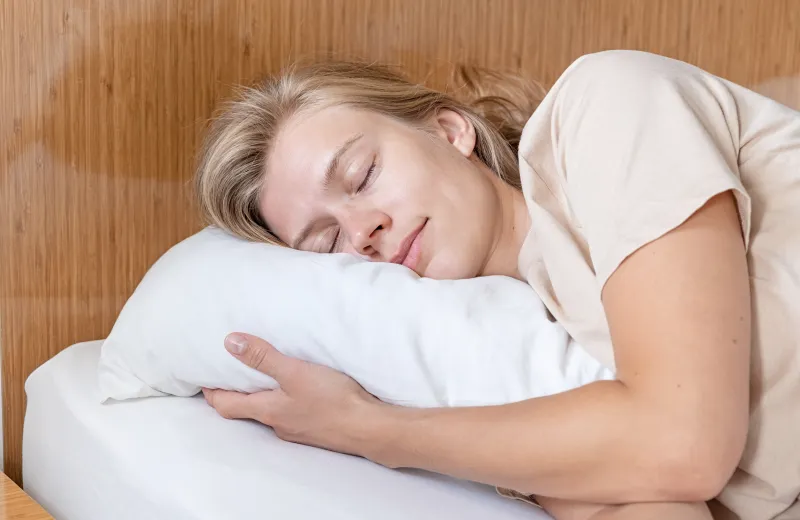
Comfort plays a significant role in how well you rest during travel. The right mattress and pillow can provide essential support for your preferred sleeping position, helping to reduce pressure points and minimize discomfort throughout the night.
For travelers dealing with jet lag, physical comfort becomes even more important during the adjustment period. A supportive bed and well-suited pillow can aid the body’s recovery after long flights and disrupted routines. While jet lag is commonly linked to time zone changes, overall sleep comfort also plays a key role in how quickly travelers adapt and establish a healthy sleep pattern, maintaining better sleep quality throughout their stay.
Environmental factors are among the most overlooked yet influential aspects of sleep while on holiday. Managing room temperature, minimizing noise, and controlling light exposure can all have a significant impact on your ability to fall asleep and stay rested throughout the night.
For travelers researching how to beat jet lag, creating a sleep-friendly environment is often one of the most effective and practical strategies. Blackout curtains help block early morning sunlight, while earplugs or white noise apps can reduce disruptive sounds in unfamiliar surroundings. Keeping the room at a comfortable, consistent temperature further supports relaxation and helps the body adjust more smoothly to new time zones. These simple yet powerful adjustments are frequently recommended when learning how to beat jet lag and improve overall sleep quality during travel.
For international travelers, jet lag can significantly disrupt sleep patterns and reduce energy levels during the first days of a trip. Gradually adjusting to the local time zone, spending time outdoors in natural daylight, and staying properly hydrated can all help the body adapt more efficiently.
Many experienced travelers rely on practical travel sleep tips, such as avoiding long daytime naps and aligning meals with local schedules to support a smoother transition. These simple yet effective travel sleep tips help regulate the body’s internal clock and make it easier to settle into a new routine. Understanding how to beat jet lag often comes down to consistency and patience, but even small adjustments can lead to noticeable improvements in sleep quality and overall well-being while traveling.

What you eat and drink can have a direct impact on how easily you fall asleep and how well you rest throughout the night. Heavy meals late in the evening may lead to discomfort and indigestion, while excessive caffeine intake can make it harder for the body to naturally wind down before bedtime.
Many travelers focus heavily on sightseeing and activities, often overlooking how daily dietary choices influence overall sleep quality. Reducing caffeine consumption in the afternoon and maintaining proper hydration throughout the day can significantly support more balanced and restorative sleep. Although alcohol may initially create a sense of relaxation, it can ultimately disrupt deep sleep cycles later in the night, leading to poorer sleep quality and reduced recovery.
Families often face unique sleep challenges while traveling. Excitement, unfamiliar surroundings, and changes in daily routines can all disrupt children’s natural sleep patterns and make it harder for them to settle at night.
Maintaining familiar bedtime rituals can play an important role in preserving a healthy sleep routine. Familiar comfort items such as a favorite blanket, bedtime stories, or a well-loved toy can help children feel more secure and relaxed in new environments. Parents can also apply practical travel sleep tips by planning calmer evening activities and allowing enough time for children to wind down before bedtime. A consistent and reassuring approach often leads to better sleep quality not only for children, but for the entire family.

Preparing a few sleep-focused travel essentials can make a noticeable difference to your comfort and rest throughout your trip. A supportive travel pillow, a good-quality eye mask, earplugs, and comfortable sleepwear are simple yet highly effective items that can significantly improve your ability to relax and sleep in unfamiliar environments.
Many experienced travelers incorporate these essentials into their personal travel sleep tips strategy, ensuring they are better prepared for changing conditions on the road. Those who are particularly sensitive to jet lag often also bring additional relaxation aids, such as herbal teas or calming sleep masks, to help the body unwind more easily. With a few thoughtful preparations, it becomes much easier to maintain a comfortable sleep environment and support better sleep quality, even when far from home.
Returning home often comes with its own adjustment period, as the body readapts to familiar routines and schedules. Re-establishing a consistent sleep pattern can help reduce post-travel fatigue and make the transition back to daily life smoother and more comfortable.
Avoiding late nights immediately after returning and gradually easing back into normal routines can support the recovery process. Travelers who continue applying simple sleep tips even after their holiday often find it easier to maintain stable, long-term sleep quality. Ultimately, consistency remains one of the most effective foundations for healthy sleep habits and overall well-being.
A peaceful environment plays a vital role in creating truly restful holidays. Set against the natural beauty of the Mediterranean coastline, Club Hotel Letoonia offers an atmosphere thoughtfully designed for relaxation, comfort, and a sense of calm escape.
With comfortable accommodation, tranquil surroundings, and the opportunity to fully disconnect from everyday stress, guests are able to experience conditions that naturally support better sleep and deeper rest. Whether spending quiet moments by the sea or unwinding in the midst of nature, the setting encourages genuine renewal, helping travelers recharge both physically and mentally throughout their stay.
If restful holidays and peaceful surroundings are part of your travel priorities, exploring accommodation options among Fethiye hotels can be a great place to start. The right environment can help support healthy sleep habits, encourage relaxation, and make every day of your holiday more enjoyable. Discover how comfortable accommodation and beautiful natural surroundings can contribute to a truly refreshing travel experience.